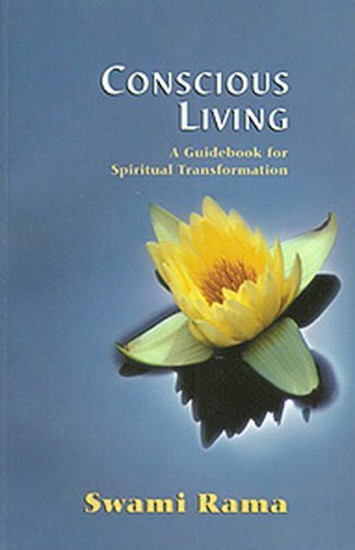
 This is a practical book for people living in the world. The word "practical" implies that the teaching can be practiced in the world, in the midst of family, career and social obligations. No prior preparation is required for reading this book, and after reading this book, no further teaching is required. If one were to sincerely practice the teachings presented by Sri Swami Rama in this book, one will surely achieve the goal of self realization, a state described by Swamiji as the summum bonum of life, a state of bliss, a state of perfection.
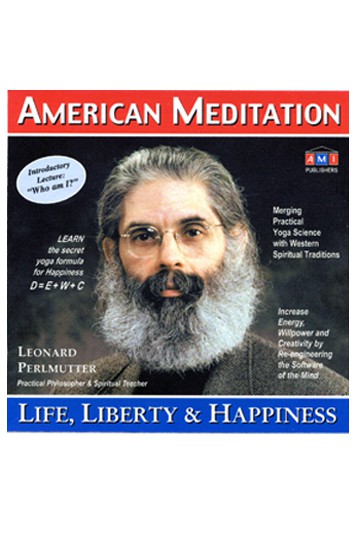 In this CD, Leonard Perlmutter (Ram Lev) guides the individual to merging practical yoga science with western spiritual traditions to increase energy, willpower, and creativity by re-engineering the software of the mind.
 The latest tape by Robert Gass and his On Wings of Song Choir is a reworking of the well-known devotional Sanskrit chant "Shri Ram Jai Ram Jai Jai Ram." Side one, subtitled "Serenity," features the primarily female voices of the choir gently singing the mantra to a simple two-chord melody, with layered counterpoint and the accompaniment of acoustic guitar. Side two, "Dance of Joy," adds sitar and, after a while, tabla, building to a lively and celebratory climax, resolving back into the soft lilting version of the chant that characterized the first side. Like their ever-popular earlier tape Om Namah Shivaya, The On Wings of Song Choir have reinterpreted this traditional Hindu chant in a way that is easily accessiblto Western listeners, who can use it for relaxation, meditation or singing along. ~ BackroadsMusic/Heartbeats
 Turn your home into a living temple with kirtan (sacred yoga chants). Immerse yourself in rich vocals and delicious layers of world instruments. Great road music.
 The latest CD by this award-winning kirtan artist. Heartfelt, sacred Sanskrit chants to inspire and rejuvenate yourself. Listen to the delicious soundclips, relish these ancient mantras of India, and float away in a sea of bliss.
 The secret of peace and happiness.
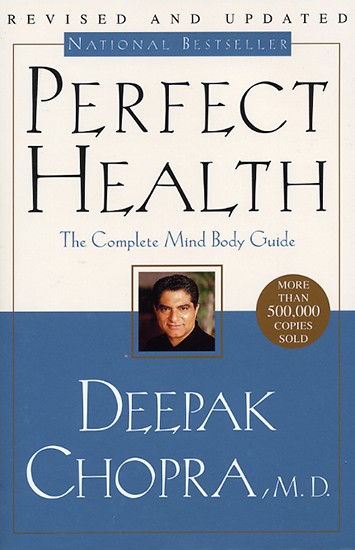 A decade ago, Deepak Chopra, M.D., wrote Perfect Health, the first practical guide to harnessing the healing power of the mind, which became a national bestseller. The book described how breakthroughs in physics and medicine were underscoring the validity of a 5,000-year-old medical system from ancient India known as Ayurveda ("the knowledge of life span" in Sanskrit). Perfect Health went on to describe how to apply the ancient wisdom of Ayurveda to everyday life. In celebration of this classic work we have created this new edition, revised and updated to include the latest medical research. Although we experience our bodies as solid, they are in fact more like fires that are constantly being consumed and renewed. We grow new stomach linings every five days, for instance. Our skin is new every five weeks. Each year, fully 98 percent of the total number of atoms in our bodies is replaced. Ayurveda gives us the tools to intervene at this quantum level, where we are being created anew each day. Ayurveda tells us that freedom from sickness depends on contacting our own awareness, bringing it into balance, and then extending that balance to the body. Perfect Health provides a complete step-by-step program of mind body medicine tailored to individual needs. A quiz identifies the reader's mind body type: thin, restless Vata; enterprising, efficient Pitta; tranquil, steady Kapha; or any combination of these three. This body type becomes the basis for a specific Ayurvedic program of diet, stress reduction, neuromuscular integration, exercise, and daily routines. The result is a total plan, tailor-made for each individual, to reestablish the body's essential balance with nature; to strengthen the mind body connection; and to use the power of quantum healing to transcend the ordinary limitations of disease and aging--in short, for achieving Perfect Health.
 Among the oldest of India's spiritual texts, the Upanishads are records of intensive question-and-answer sessions given by illumined sages to their students. Widely featured in philosophy courses, the Upanishads have puzzled and inspired wisdom seekers from Yeats to Schopenhauer. Eknath Easwaran makes this challenging text more accessible by selecting the passages most relevant to readers seeking timeless truths today. His best-selling, accessible, highly readable translation and lively foreword place the teachings in a contemporary context for students and general readers alike.
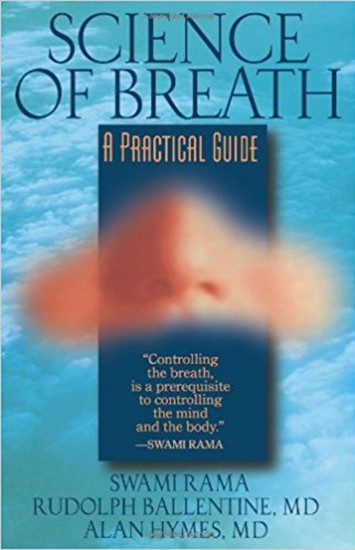 Describes the anatomy and physiology of breathing, as well as the subtle yogic science of prana.
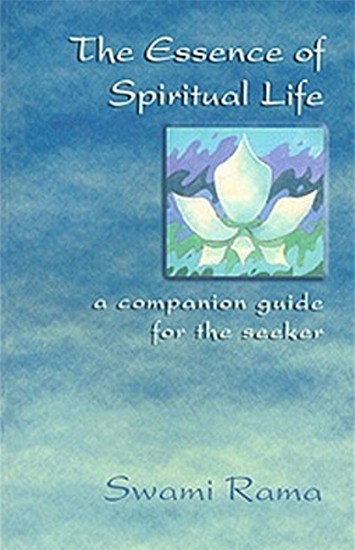 This concise collection of Swami Rama's teachings serves as a practical guide for the spiritual seeker. Spiritual practice leads the seeker towards inner experiences of divinity that further one towards attaining the goal of life. Swami Rama, yogi, scientist, philosopher and humanitarian, was deeply steeped in the spiritual traditions of the Himalayan sages. He was a free thinker, guided by direct experience and inner wisdom. His teachings are universal and nonsectarian, providing a bridge between the East and the West.
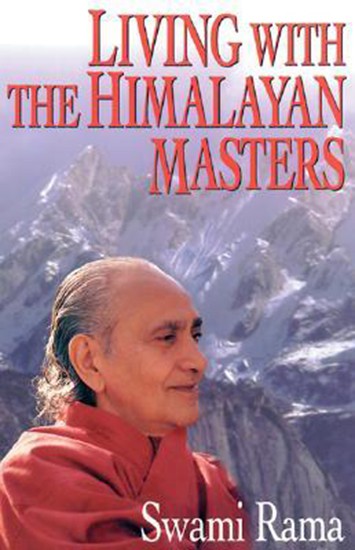 In this extraordinary account of his spiritual adventures, the author presents his encounters with Mahatma Gandhi, Sri Aurobindo, Rabindranath Tagore, a lady sage who never slept, and many other Himalayan masters. The author spent eleven months in a cave monastery and traveled to study in Tibet with his grandmaster. He author honors this spiritual teacher as a stream and a channel of wisdom. He modeled selflessness, fearlessness, faith, and determination as prerequisites for enlightenment. Swami Rama also writes about his experiences on the path of renunciation, which he calls "a razor's edge." He ponders the rich meanings of humility, conquering fear, trusting in divine protection, developing the powers of the mind, and casting off the body in death. One of the best examples of Swami Rama's humanity is conveyed in a brief chapter where he humorously tells of being mistaken as a ghost while meditating in a cemetery.
 Based on the encounter between Yama, the King of Death, and Nachiketa, the seeker of death's meaning, this book examines the mystery and challenge of death. The story is taken from the Kathopanishad, one of the most important and ancient of all the scriptures. A philosophical understanding of the meaning and purpose of life and death is presented, along with a practical psychology for coping with life and for overcoming the fear of death.
- Out of stock
 An easy-to-use reference and guide for selecting homeopathic remedies for acute ailments that contains symptom guides and diagnostic interview questions. By Dale Buegel, Dennis Chernin and Blair Lewis.
 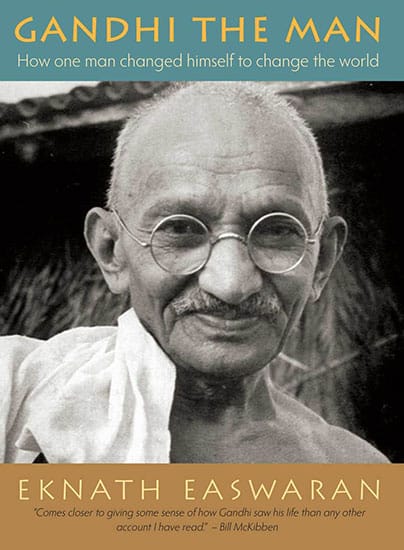 Gandhi the Man tells how Gandhi remade himself from a shy, tongue-tied, average little man to a Mahatma whose life can serve as an inspiration for our own transformation.
 Swami Nijananda's Commentary on Trustful Surrender to Divine Providence Volume I, by Father Jean Baptiste Saint-Jure, is the first volume of lectures to be published. Many of his students felt these lectures were of value to them long after the lecture series ended. This volume explains and illuminates the essential message of Christianity. "In every circumstance, without exception," says Swami Nijananda, surrender to the Lord is the crucial thing...It is your task to harmonize yourself with what the Lord has ordained and not the other way around." This book provides the guidance to orient oneself spiritually in any situation the world presents, however tragic.
 Eknath Easwaran is a foremost translator and interpreter of the much-loved Indian scripture, the Bhagavad Gita. In this verse-by-verse commentary on the Gita, Easwaran translates each verse, relates it to our modern lives through stories and anecdotes, and gives us spiritual exercises that we can use every day. This second volume in a three-volume set covers chapters 7 – 12 of the Gita, and builds a bridge between scientific knowledge and spiritual wisdom by showing the indivisible unity governing all creation.
 The Paintings of Jenness Cortez by Karen Pope, PhD In her series of Homage paintings, Cortez plays author, architect, visual journalist, art historian, curator and pundit to help open our eyes to what we might otherwise have overlooked or taken for granted. Each painting presents a specific theme, mixing straightforward cues and obscure allusions, complemented by references to other artists’ lives and times. By masterfully presenting iconic works of art in unexpected modern settings, Jenness Cortez inspires us to see differently–to rediscover and revalue our own creative power in everyday life. This volume surveys and celebrates the Homage to the Creative Spirit series in fifty-four examples that display the range and variety of Cortez’ achievement. For collectors and for fortunate gallery goers, these works are marvels to behold. Thanks to modern technology, a selection from Jenness Cortez’s Homage to the Creative Spirit is here available to a wider audience.
 Beautiful, transforming music to reach the spiritual connection
 In The Warrior Sage, Dr. Phil Nuernberger carefully examines the conventional theories, revered dogmas, and cultural formats regarding the human potential that are held in high regard by scientists, religionists, the business realm, and the public. Leaving no major paradigm unexamined, he illustrates the inadequacy of our cultural biases that have held society in its throes and provoked the social conditions that face us today. Then he offers a new idea.
 As we learn to rejoice in “Lord God, thou holy lover of my soul,” we begin to glimpse the transformative power of divine love in our lives. In this anecdotal, warm, and intensely practical commentary on Thomas a Kempis’s Imitation of Christ, Easwaran examines this enduring Christian passage line by line to show us what love is and how to overcome obstacles to loving more fully.
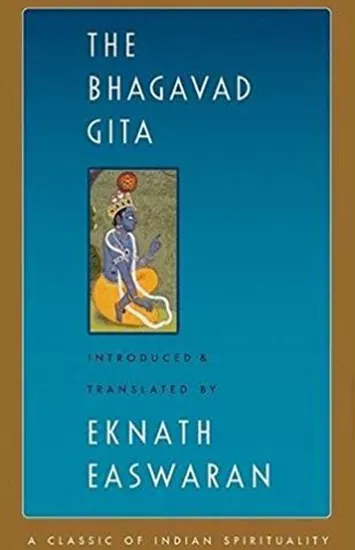 Vivid literature, lofty philosophy -- the Bhagavad Gita distills the finest in India's vast and varied culture On the morning of battle, facing Armageddon, prince Arjuna loses his nerve and refuses to fight. Krishna knows better: "Your very nature will drive you to fight. Your only choice is what to fight against." His advice gives an inspiring model of the man or woman of action -- the person who aims at goodness in a world of conflict and change. In this translation, the Gita stands out as a book of choices -- direct, practical, universal. The introduction sketches the background of the poem and gives clear, contemporary explanations of the basic ideas of Indian philosophy: karma, reincarnation, yoga, freedom. Separate chapter introductions outline the drama as it unfolds.In the Bhagavad Gita, Prince Arjuna asks direct, uncompromising questions of his spiritual guide on the eve of a great battle.In this best-selling and expanded edition of the most famous --and popular -- of Indian scriptures, Eknath Easwaran contextualizes the book culturally and historically and explains the key concepts of Hindu religious thought and the technical vocabulary of yoga. Chapter introductions, notes, and a glossary help readers understand the book's message. Most importantly, this translation uses simple, clear language to impart the poetry, universality, and timelessness of the Gita's teachings.
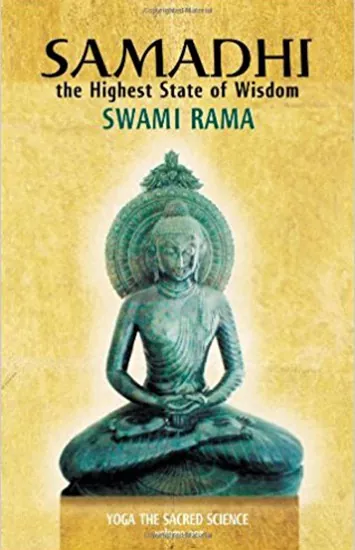 Swami Rama's description of the totality of the mind, the functions of the mind, and the emotions goes far beyond the concepts of modern psychology.
 An excellent manual in everyday preventive medicine with sound, basic skills indispensable for long term health in body and mind. This manual teaches how one can achieve optimum health through cleansing, nourishing, exercising and meditation.
 Chosen for their universal spiritual appeal, literary merit, and recognized wisdom, these selections are perfect subjects for meditation and daily inspirational reading. Drawing from Christian, Jewish, Hindu, Buddhist, Muslim, and Native American sacred literature, this expanded third edition serves as a useful reference and guide to world mysticism. Included are Easwaran's criteria for choosing personally transformative passages, tips on memorization, and suggestions for further reading.
